A real inspection, not a guess
We verify roof slope, deck condition, existing layers, and problem areas before recommending a system. If the decking or edges need attention, it is identified up front.
Serving Jacksonville, Florida & surrounding areas
Mon–Sat · 7am–7pm
Get a clean plan for your roof, the right metal system for coastal Florida weather, and workmanship that holds up season after season.
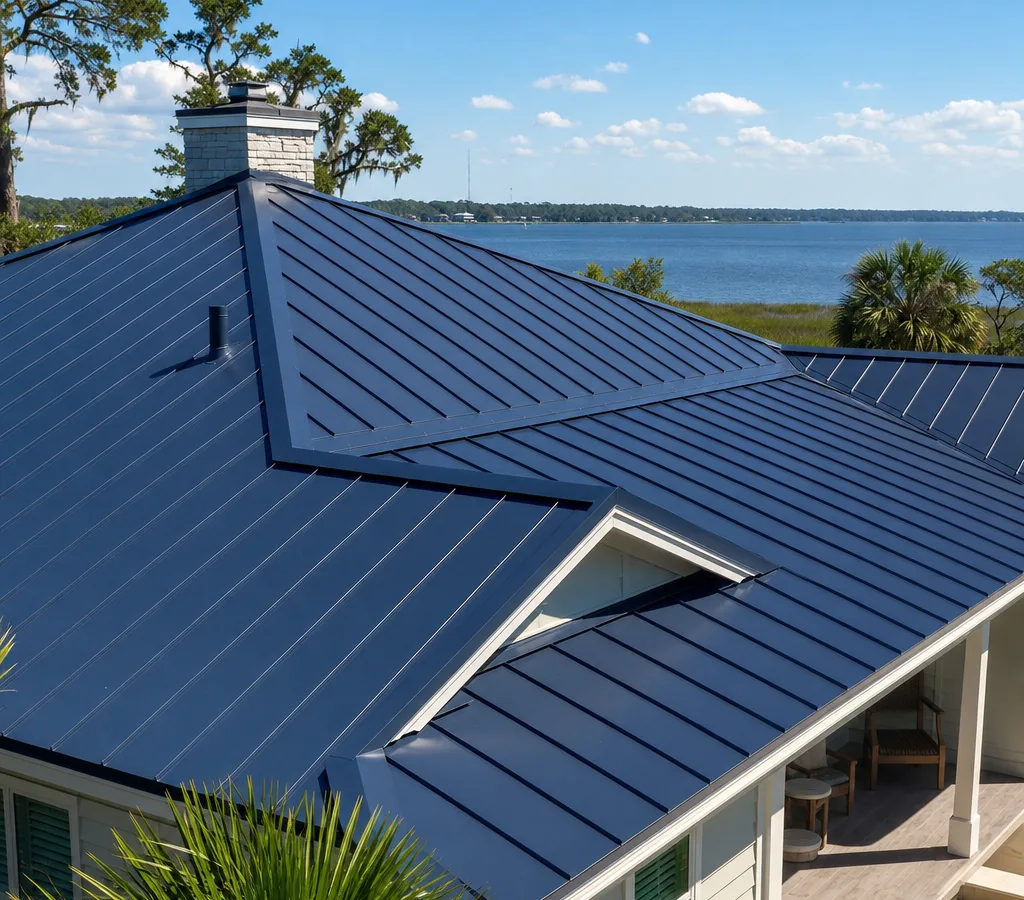
When you search for metal roof contractors Jacksonville FL, you are usually trying to solve one of three problems: your current roof is aging out, you have a leak that will not stay fixed, or you want a longer-lasting roof system before the next stretch of heavy rain and wind.
Metal roofing can be a strong fit in Jacksonville because it sheds water quickly, resists fire, and handles heat well. The catch is that a metal roof is only as good as the details. Underlayment choice, fastener patterns, panel layout, and flashing at valleys, walls, skylights, vents, and chimneys decide whether the roof stays dry and quiet.
Jacksonville FL Metal Roofing focuses on metal roof installation, repair, and replacement for residential and light commercial properties in Jacksonville (ZIP 32202) and nearby areas. If you are weighing options, we will walk the roof with you, explain what we see, and give you a written scope that matches the roof you actually have, not a one-size estimate.
If you are still comparing materials, our overview of metal roofing in Jacksonville FL explains common systems and what they are typically used for in this market.
Most roofing problems are not solved by a single product. They are solved by matching the right system to the roof design, then installing it with consistent, repeatable details.
Common requests we handle:
We work with the major categories customers ask for in Northeast Florida, including standing seam and exposed-fastener panel systems. During the inspection we will explain what fits your roof pitch, geometry, and budget, and what tradeoffs you should expect, including noise, maintenance, appearance, and how repairs are approached later.
We verify roof slope, deck condition, existing layers, and problem areas before recommending a system. If the decking or edges need attention, it is identified up front.
In hot, humid climates, underlayment choice matters. We select the right type for your assembly, with special attention to valleys, eaves, and transitions.
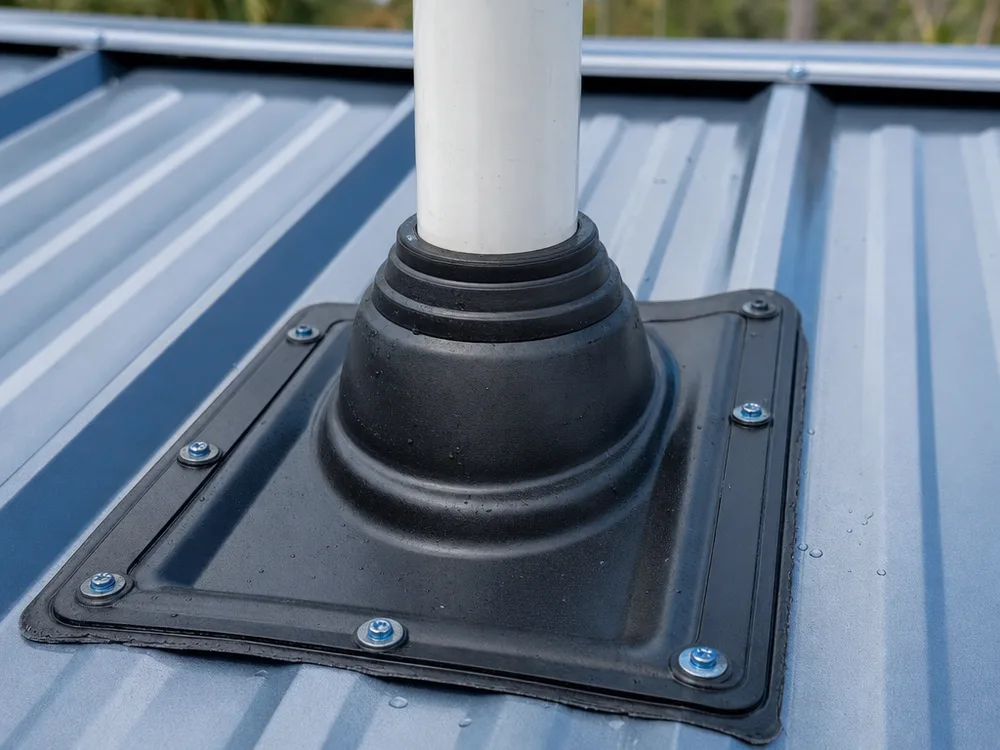
Most leaks start at intersections. We plan flashing at walls, chimneys, valleys, and penetrations so water is directed onto the panels, not behind them.
Exposed-fastener roofs depend on correct fastener type, spacing, and placement. Standing seam depends on correct clips and clean terminations. Either way, the details control performance.
You get a written scope that spells out materials, tear-off needs, and what is included. The jobsite is kept orderly, and debris is removed when the work is complete.
If you need repair work, we focus on the failure point—flashing, sealant breakdown, fastener back-out, or panel movement—so you are not paying for repeated patching.
Jacksonville roofs see long periods of sun, sudden downpours, and seasonal storm threats. Those conditions change what matters on a metal roof.
Heat and UV exposure: Coatings and sealants age faster when the roof bakes. We pay attention to compatible sealants at laps and penetrations and avoid mixing materials that do not play well together over time.
Wind-driven rain: Rain does not always fall straight down. That is why closure strips, eave and rake details, and wall flashing matter as much as the panels you see from the street.
Salt air near the coast and river: If your property sits closer to the ocean or along the St. Johns River corridor, corrosion resistance becomes a bigger conversation. The right metal, coating, and fastener selection reduces risk in harsher air.
Home styles and roof complexity: Metal performs best when the roof layout is planned for it. Complex rooflines with multiple valleys, dormers, and penetrations require more flashing and more labor. We spell those details out during the estimate so you understand what is driving scope and cost.
We inspect the roof surface, edges, penetrations, attic ventilation conditions when accessible, and any interior signs of moisture so the proposal reflects the real situation.
You get options when they make sense, such as standing seam versus exposed-fastener panels, and guidance on what fits the roof pitch and architecture.
We provide a written scope with the materials and key details called out. Once approved, we schedule the work and coordinate material delivery.
If replacement is part of the job, we remove the existing roofing as scoped, inspect decking, and address any damaged areas before underlayment and panels go down.
Panels, trim, and flashings are installed as a system. At completion, we walk the work with you and review maintenance items that help the roof last.
Most metal roof projects in Jacksonville typically range from about $10,000 to $35,000+, depending on roof size, pitch, tear-off needs, and the system chosen. An exposed-fastener panel roof usually prices lower than standing seam, while complex rooflines, multiple penetrations, and extensive flashing push cost higher.
Final price also depends on deck repairs, underlayment type, insulation or ventilation upgrades, access and staging, and whether gutters or edge metals need replacement. The exact cost is confirmed after an on-site roof inspection and a written scope.
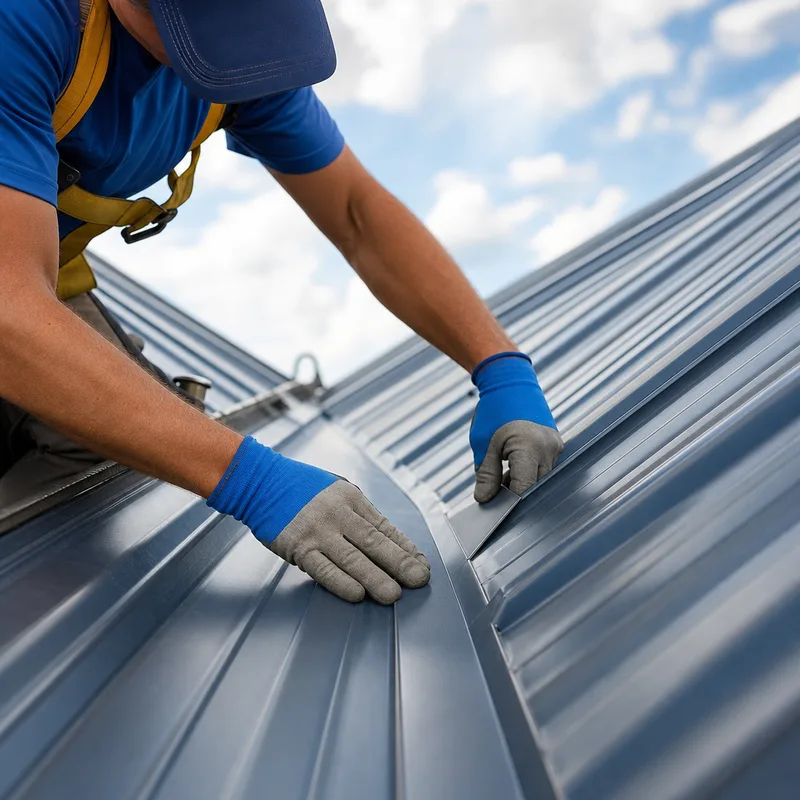
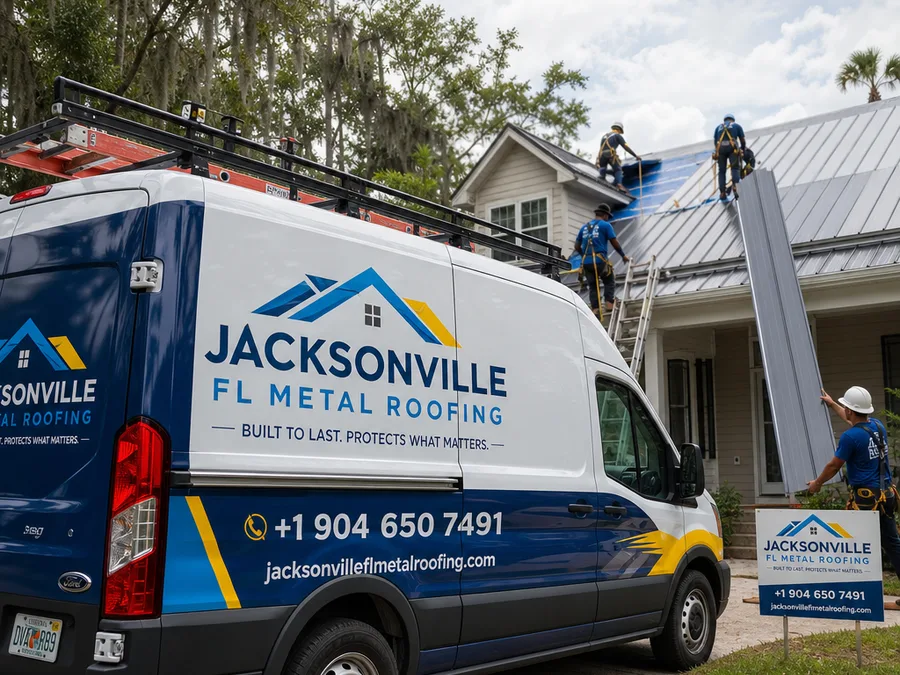
Many metal roof leaks can be repaired if the panels are in good condition and the issue is isolated to flashing, fasteners, or a penetration. We start with leak diagnosis, then recommend either a targeted repair, a partial replacement of affected sections, or a full replacement if the system is broadly failing or incorrectly installed.
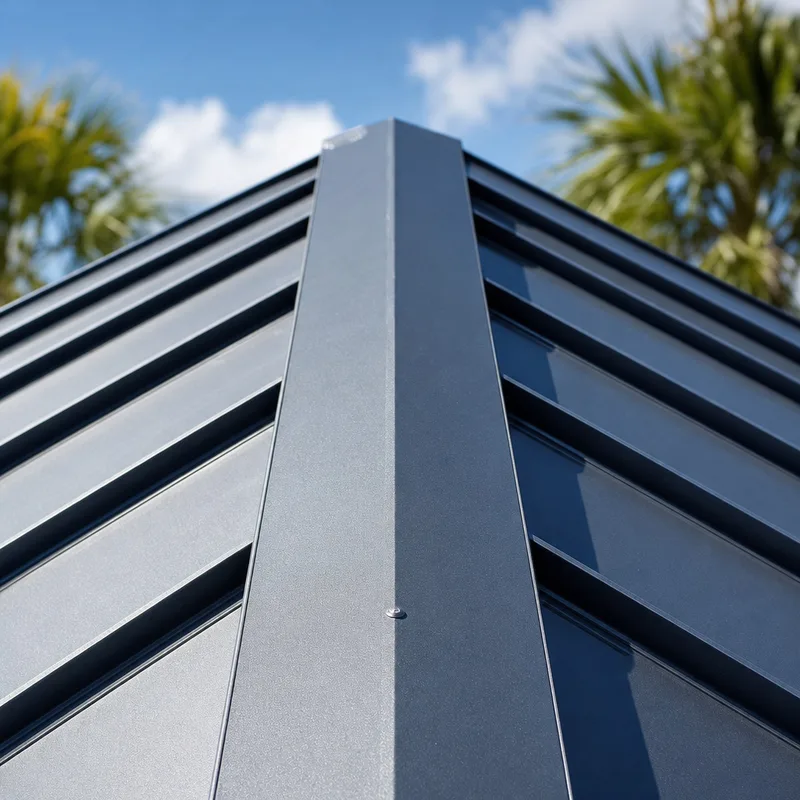
Standing seam hides the fasteners and uses interlocking seams, while exposed-fastener panels are screwed through the face of the panel with gasketed fasteners. Standing seam generally has a cleaner look and is often chosen for longevity and reduced maintenance, while exposed-fastener systems can be a cost-effective option when installed correctly and maintained.
Most residential metal roof installations take a few days to about a week, depending on roof size, complexity, weather, and whether tear-off and deck repairs are required. We confirm a realistic timeline after the inspection and scope are set.
Sometimes it is possible, but it depends on the existing roof condition, local requirements, and whether the assembly allows proper fastening and ventilation. We will tell you during the inspection whether an overlay is feasible or whether tear-off is the better long-term choice for your roof.
With the right roof assembly, metal roofing is often comparable to other roof types, especially when there is solid decking and proper underlayment. Noise concerns usually come up more with open framing or patio covers; during your estimate we can explain what your current structure means for sound.
Ask what metal system is being proposed—standing seam or exposed-fastener—what underlayment is included, how flashing at valleys and wall intersections will be handled, and whether decking repairs are addressed if found after tear-off. A good proposal in Jacksonville should clearly spell out wind-driven rain details, penetrations, and edge terminations, not just the panel type.
Tell us what you are seeing—leaks, rust, lifted trim, or an aging roof—and we will inspect the roof, explain your options, and provide a clear plan for repair or replacement.