
A written, specific scope
You should see the metal system named, panel gauge or profile, underlayment type, flashing approach, and what happens at edges, valleys, and penetrations.
Serving Jacksonville, Florida & surrounding areas
Mon–Sat · 7am–7pm
Get a clear scope, the right metal system for your roof, and an install plan that holds up to Northeast Florida sun, rain, and hurricane-season wind.
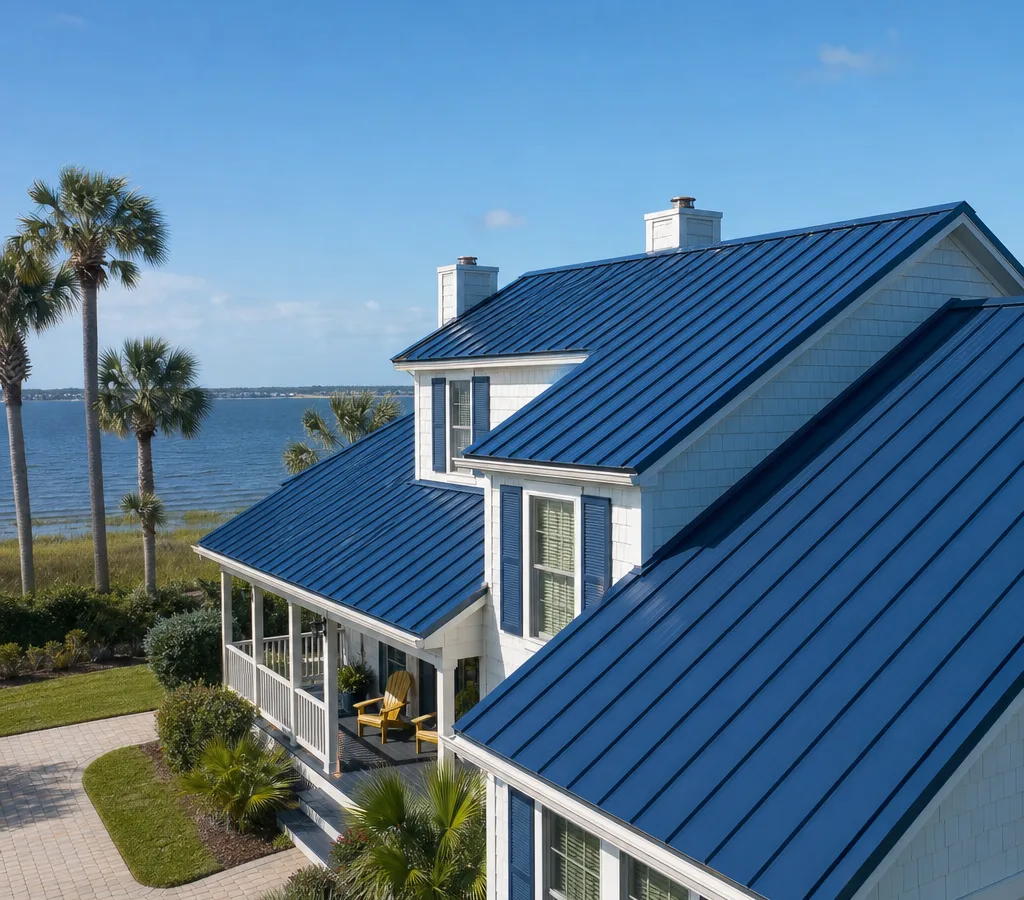
If you are comparing metal roofing companies in Jacksonville FL, you are usually trying to answer three questions fast: Which metal roof is right for my home, who can install it correctly, and what will it really cost once the details are known. Metal roofing is less forgiving than it looks. Underlayment selection, fastener patterns, clip spacing, edge metal, and flashings around penetrations decide whether the roof stays dry and quiet for decades.
Jacksonville brings its own realities. Summer heat loads and UV exposure punish cheap coatings. Wind events make edge details and attachment schedules non-negotiable. Heavy rain means valleys, pipe boots, and wall flashings need to be built like they will be tested, because they will.
Jacksonville FL Metal Roofing helps homeowners and property managers in and around ZIP 32202 evaluate options, compare quotes line by line, and move forward with a written scope you can hold a contractor to.
A good quote starts with naming the system, not just saying “metal.” Here are the most common options you will see from reputable contractors, plus what to verify in the scope.
Standing seam (concealed fastener): Panels lock together with hidden clips or a concealed attachment method. This is the premium choice for many homes because exposed fasteners are minimized. Confirm panel gauge, seam height or profile, clip type, and how hips, ridges, and transitions are flashed.
Exposed-fastener panels: Often called R-panel or corrugated, this is a cost-effective metal roof when installed with correct fastener spacing, proper sealing washers, and high-quality underlayment. Verify the fastener type, penetration flashing, and whether existing decking issues are addressed.
Stone-coated steel: Metal panels with a granular finish that can mimic shake or tile. Ask about manufacturer system details, starter and ridge components, and warranty requirements for accessories.
Repairs and replacements: Many metal leaks trace back to flashing failures, aged sealants, or loose or overdriven fasteners. A solid metal roofing company diagnoses the leak path, inspects underlayment where possible, and proposes the smallest durable fix before recommending full replacement.
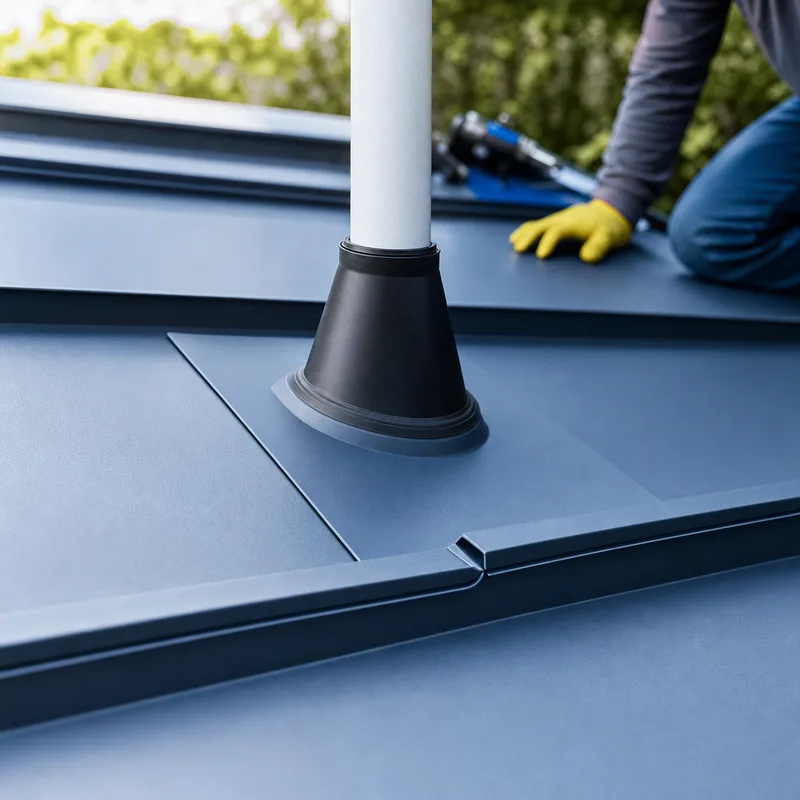
You should see the metal system named, panel gauge or profile, underlayment type, flashing approach, and what happens at edges, valleys, and penetrations.
Attachment schedules, edge metal, and fastening patterns matter in wind. The proposal should not be vague about how panels and trim are secured.
A metal roof is only as good as the substrate. Expect a plan for damaged decking discovered, plus ventilation notes when the roof assembly needs it.
Landscaping protection, magnetic nail sweeps, and a debris plan should be part of the conversation, especially when removing older shingles or multiple layers.
Trim, sealants, closures, and fasteners should match the system requirements. Mixing low-grade accessories is a common failure point.
Separate the material warranty from the workmanship warranty, and confirm what is excluded, including storm damage, foot traffic, and other trades on the roof.
Northeast Florida weather changes what you should prioritize in both materials and installation details.
Salt and coastal exposure: If you are closer to the ocean, airborne salt can accelerate corrosion on the wrong metals and cut edges. A quality finish system and compatible fasteners matter, and cut edges need correct treatment.
Heat and afternoon storms: Long sunny stretches followed by heavy rain can stress seams, fasteners, and sealants. Thermal movement is normal for metal; the roof has to allow expansion and contraction without oil-canning being mistaken for a defect.
Tree cover in established neighborhoods: Heavy canopy can mean more debris in valleys and gutters. That makes water management details, valley metal choices, and maintenance access more important.
Home styles and roof complexity: Some Jacksonville neighborhoods have simpler gable roofs, while others include hips, dormers, and multiple penetrations. The more transitions you have, the more the outcome depends on the installer's flashing skill, not the panel itself.
We look at roof geometry, penetrations, existing materials, decking condition where visible, and drainage points. If you have leak symptoms, we trace likely entry points and document them.
We explain which metal systems fit your roof pitch, complexity, and budget, including tradeoffs between standing seam and exposed-fastener options.
You get specifics: underlayment, flashings, edge metal, ventilation notes, tear-off plan, and how unexpected deck repairs are handled if discovered.
We coordinate delivery and staging, protect landscaping and access paths, and confirm where debris and materials will be placed so the job stays orderly.
After install, we review key details with you, confirm closure and flashing points, and provide the paperwork you should keep for warranty and resale.
Most Jacksonville metal roofing projects typically range from about $12,000 to $35,000+, depending on roof size, pitch, tear-off needs, and the metal system you choose. Exposed-fastener roofs often price lower than standing seam, while complex roof lines, lots of penetrations, or specialty finishes push pricing up.
Your final cost changes with decking repairs, underlayment upgrades, edge and gutter details, access constraints, and how much flashing work is required around chimneys, walls, and vents. The exact number should be confirmed after an on-site roof inspection and a written scope.
Ask what metal system is being quoted (standing seam vs exposed fastener), the panel gauge/profile, the underlayment type, and exactly how penetrations and transitions will be flashed. Then ask how they handle any rotten decking discovered during tear-off and whether that is an allowance or a separate rate. A solid contractor will answer in specifics, not generalities.
Standing seam is often a strong option because the fastening is concealed and the system is designed for thermal movement, but it is not automatically the right fit for every roof or budget. Roof pitch, complexity, and how many penetrations you have can make certain profiles more practical. The best approach is to match the system to the roof's geometry and the install details you can verify in writing.
Sometimes it can, but it depends on the existing roof condition, local requirements, and whether the roof deck and flashings can be corrected without a full tear-off. Installing over shingles can hide decking problems and makes flashing work more complicated. If a contractor suggests an overlay, ask how they will handle penetrations, edges, and moisture risks, and what the roof inspection found.
Many residential metal roof installs take several days, but timeline depends on roof size, complexity, weather, and whether decking repairs are needed. Tear-off, dry-in (underlayment), panel install, and detail work around edges and penetrations each take time. Your installer should give a schedule window and explain what pauses work during storms.
The most common leak sources are flashing failures at penetrations, aged or incorrect sealants, loose or overdriven fasteners on exposed-fastener systems, and poorly detailed valleys or wall transitions. A reliable repair starts with finding the entry point and checking nearby details, not just adding caulk to the surface.
Roof replacements commonly require permits, but the exact requirements depend on the scope and local jurisdiction. A professional contractor should explain what permitting applies to your project and include it in the plan before work starts, especially when structural decking repairs or major material changes are involved.
Tell us what you are replacing or repairing and what you want from the new roof. Jacksonville FL Metal Roofing will inspect the roof, explain your system options in plain language, and provide a written scope with clear next steps.