
Correct underlayment for heat and wind-driven rain
We select underlayment that fits the roof slope and exposure. Proper laps, edge sealing, and valley treatment reduce risk at the most leak-prone points.
Serving Jacksonville, Florida & surrounding areas
Mon–Sat · 7am–7pm
Get a roof built for Florida heat, salt air, and storm season. We install premium metal roofing systems with clean flashing details, proper ventilation, and a clear written scope before work starts.
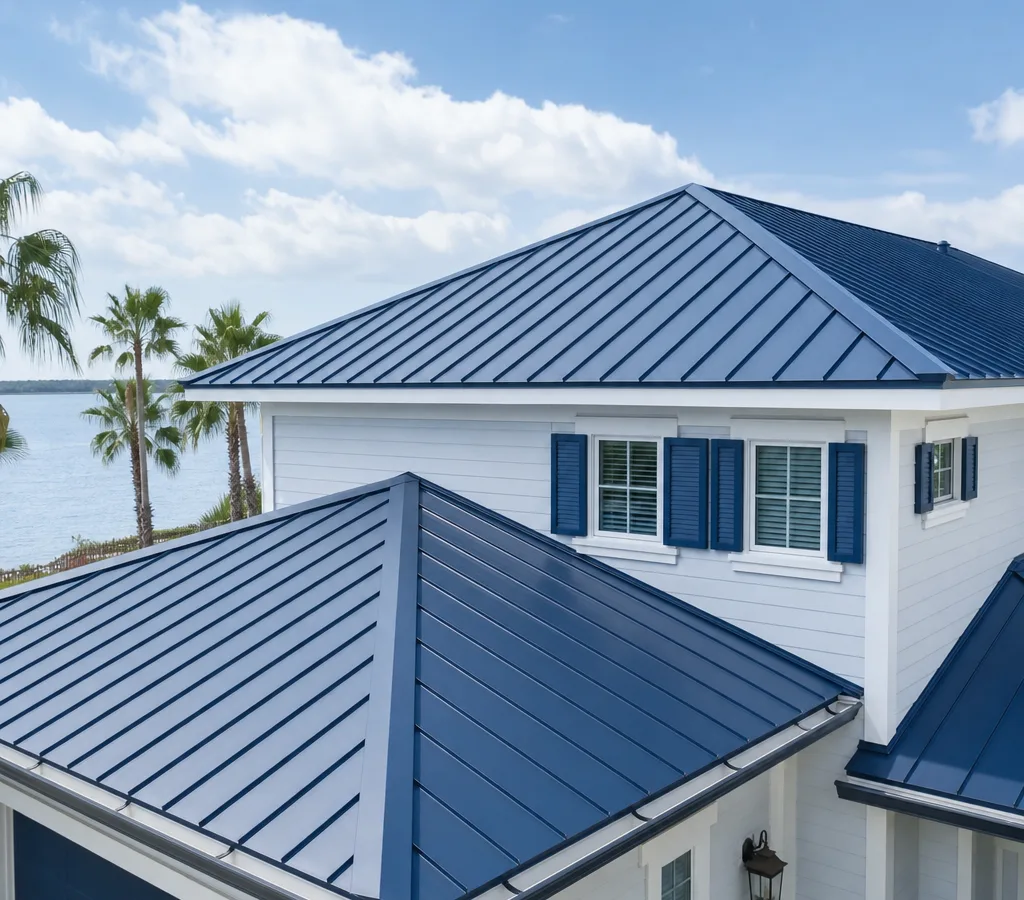
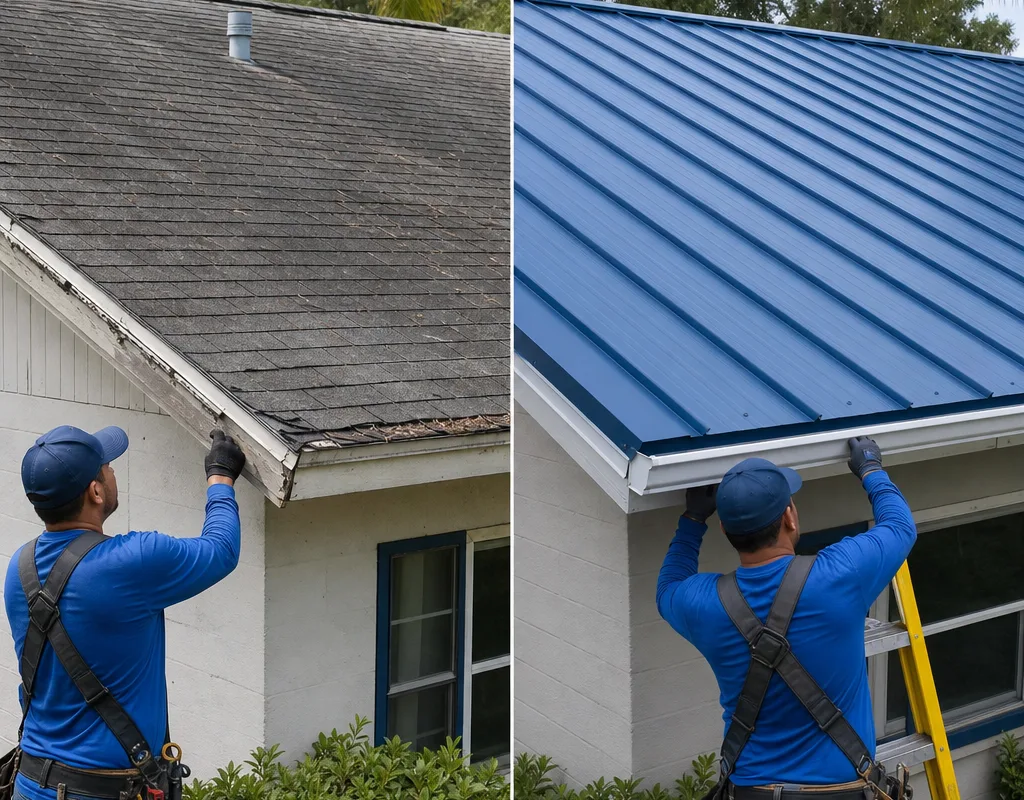
If you are searching for metal roof installation Jacksonville FL, you are probably looking for two things at once: a roof that lasts and an installation you do not have to second-guess. Jacksonville FL Metal Roofing installs metal roof systems with careful attention to the details that decide whether a roof performs in our climate: underlayment selection, correct fastener patterns, expansion and contraction allowances, and flashing that is integrated—not just sealed.
Jacksonville roofs have to deal with intense sun, wind-driven rain, and long stretches of humidity. Those conditions expose weak points fast, especially around valleys, roof-to-wall transitions, skylights, vents, and chimneys.
A metal roof can be a great fit in Northeast Florida, but only when the system is designed as a system: panels, trim, underlayment, ventilation, and penetrations all working together.
We work throughout Jacksonville, including older neighborhoods with mixed rooflines in Riverside and Avondale, coastal exposure near Jacksonville Beach and Atlantic Beach, and newer subdivisions in the Southside and Mandarin area. Each situation changes how we plan staging, material handling, and flashing around complex intersections.
A reliable install starts with a real inspection, not a quick measurement. We check roof geometry, decking condition, attic ventilation, and any trouble spots where water typically shows up first. Then we match the metal roofing profile and attachment method to the roof design.
During installation, we protect landscaping, manage tear-off and debris, and keep fasteners and cutoffs controlled. Metal roofs demand precision: straight panel layout, consistent clip spacing for standing seam, properly formed trims, and penetrations flashed with purpose-made boots or custom metal work as required. We also confirm ventilation pathways so heat and moisture can exit the attic as intended.
At the end, you get a final walkthrough and a clean jobsite. Our metal roofing overview can also help you understand how different metal roof types and home styles pair up.
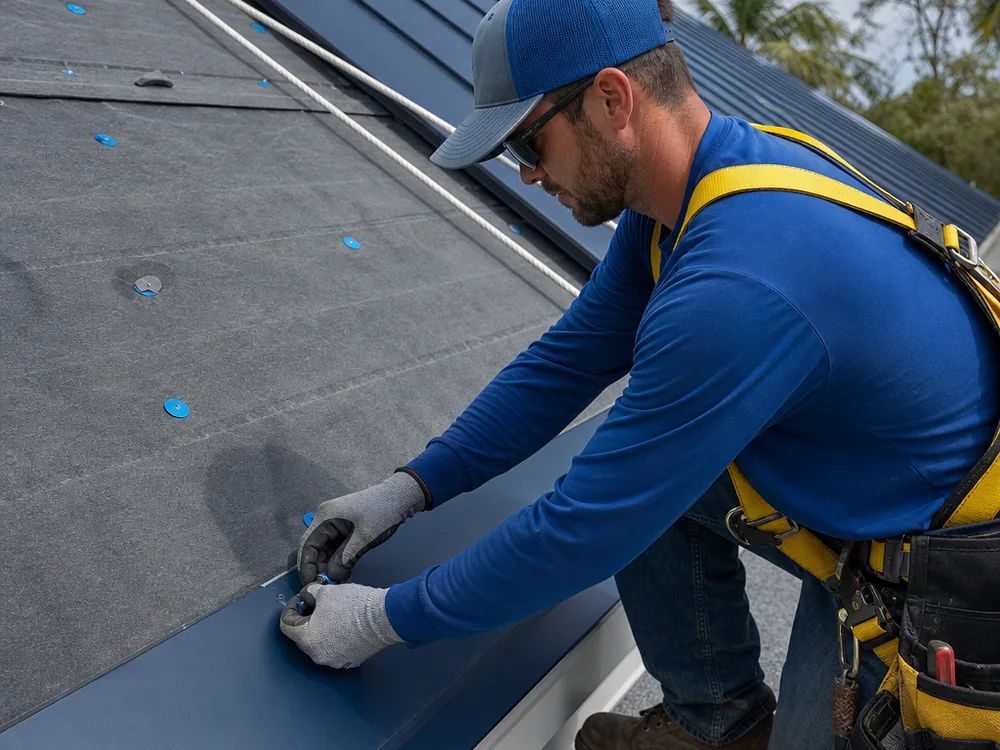
We select underlayment that fits the roof slope and exposure. Proper laps, edge sealing, and valley treatment reduce risk at the most leak-prone points.
Roof-to-wall, chimney, and valley flashing is integrated with panels and trim so water sheds by design, not by relying on sealant alone.
Metal moves. Panel layout, clip systems, and fastening patterns must accommodate thermal movement to help prevent oil-canning, fastener stress, and premature wear.
Vents, pipe boots, and other penetrations are flashed with compatible components and positioned to shed water cleanly down-slope.
We evaluate intake and exhaust paths so attic moisture and heat can escape, which helps the whole roofing assembly perform better over time.
Protection, staging, and cleanup are part of the install. Straight lines, tight hems, and neat terminations are the difference between average and professional.
Most metal roof installation projects in Jacksonville typically range from about $12,000 to $35,000+, with smaller, simpler roofs at the lower end and larger homes or complex rooflines higher. Standing seam systems generally cost more than exposed-fastener panels because materials and labor are different.
Your final price depends on roof size and pitch, tear-off needs, decking repairs, the metal profile and gauge, underlayment choice, number of penetrations and valleys, and access for staging and delivery. The exact cost is confirmed after an on-site roof inspection and a written scope.
We inspect the roof surface, penetrations, flashing zones, and attic conditions when accessible, then take measurements to build an accurate scope.
You get clear options for panel profile, trim details, and underlayment choices, plus a written scope that spells out what is included.
If the existing roof is removed, we protect the property, remove materials, and check decking condition. Any required deck repairs are addressed before roofing goes on.
We install underlayment, drip edge where applicable, and build out critical transitions so the roof sheds water correctly before panels are installed.
Panels are laid out straight, attached per system requirements, and finished with ridge, hip, gable, and eave details that match the roof design.
We inspect seams, fasteners, and penetrations, confirm the finish details, and leave the jobsite clean so you can move on with confidence.
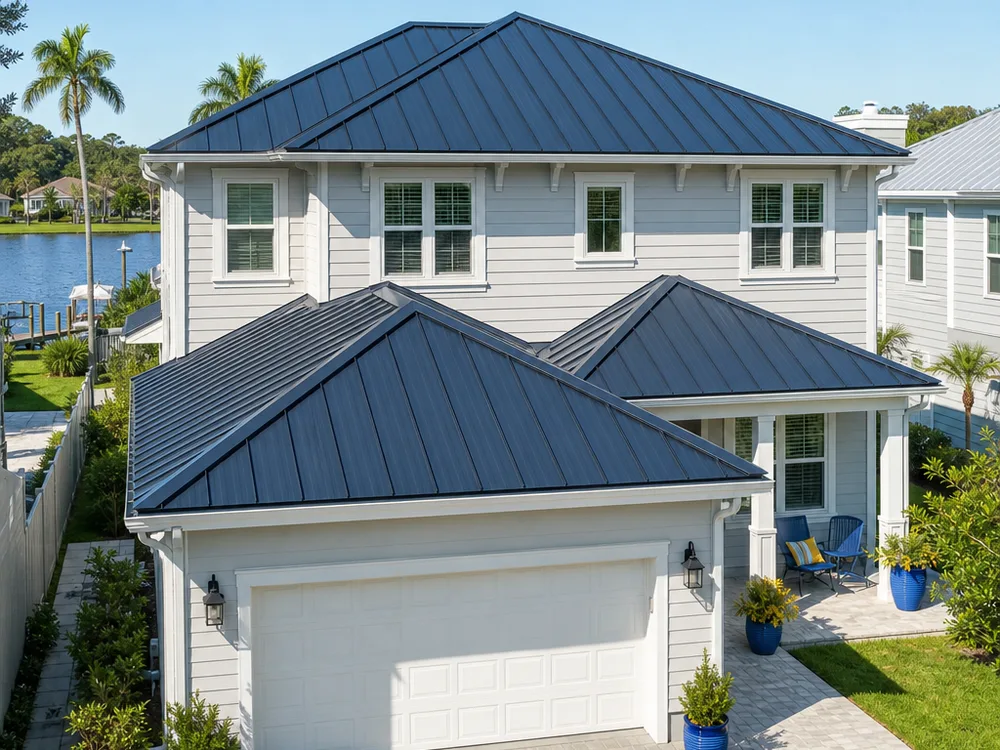
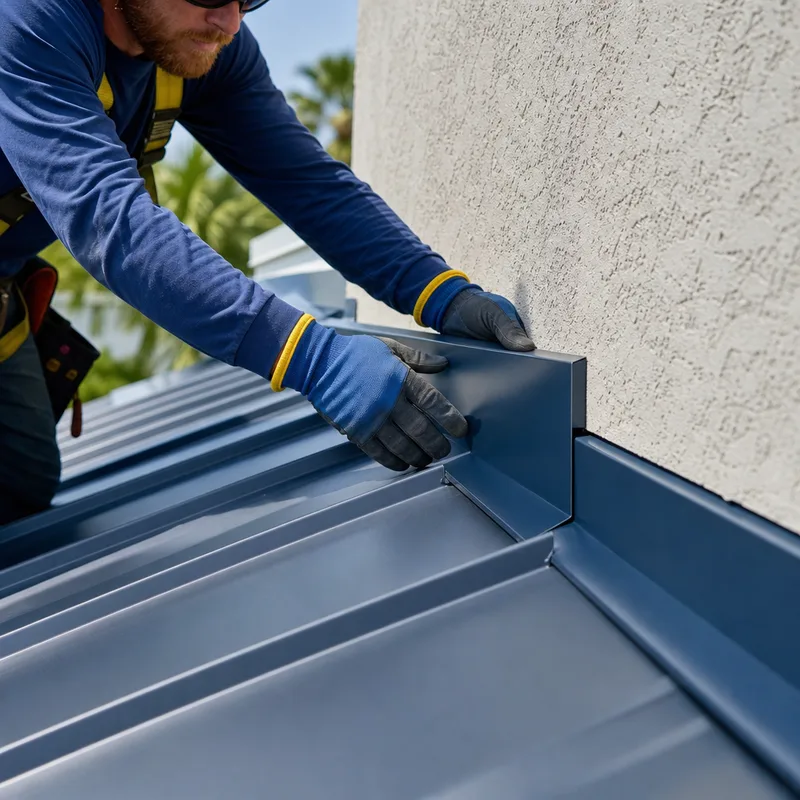
“We chose standing seam and the difference was in the details. The valleys and wall flashing look purpose-built, and the panel lines are straight all the way across. The crew kept the yard clean each day.”
“They walked us through the options without rushing us. The written scope matched what was installed, and the final walkthrough caught small items before they left.”
Many residential metal roof installations take about 2 to 5 working days once materials are on site, but complexity can extend the schedule. Roof size, pitch, tear-off requirements, decking repairs, and the number of penetrations and valleys drive the timeline, and Jacksonville weather can pause work for safety during storms or heavy rain.
Standing seam is often chosen for a cleaner look and a concealed attachment approach, while exposed-fastener panels can be a practical choice for certain budgets and simpler roof shapes. The right pick depends on roof geometry, the finish you want, and how many transitions and penetrations the roof has, because detailing matters as much as panel type.
Sometimes, but it depends on roof condition, local requirements, and whether the existing surface is flat and sound enough for the metal system you are choosing. In many cases, a full tear-off gives the best chance to find and fix decking issues and to rebuild flashing correctly at valleys and roof-to-wall areas.
Leaks usually trace back to transitions and penetrations, not the middle of a panel field. Valleys, roof-to-wall intersections, vent pipes, skylights, and chimney areas need integrated flashing details and compatible components so water sheds down-slope without relying on sealant as the primary defense.
In most homes, a properly installed metal roof over solid decking with underlayment sounds similar to other roofing types from inside the living space. Open framing, porch covers, or uninsulated areas can sound louder, so we look at the assembly and attic conditions during the inspection.
Yes. In Jacksonville areas closer to the ocean and Intracoastal, material compatibility and durable finishes matter, so we help you compare options that fit the look of your home and the exposure level. We also review trim color matching and how different finishes show dirt, salt residue, and normal wear.
If you want a metal roof that performs in Jacksonville's heat and storm season, start with an inspection and a written scope that spells out the system, the flashing approach, and the timeline.
Tell us about your home in Jacksonville and what you want from the new roof. We will review options, inspect the roof, and provide a clear plan for your metal roof installation.